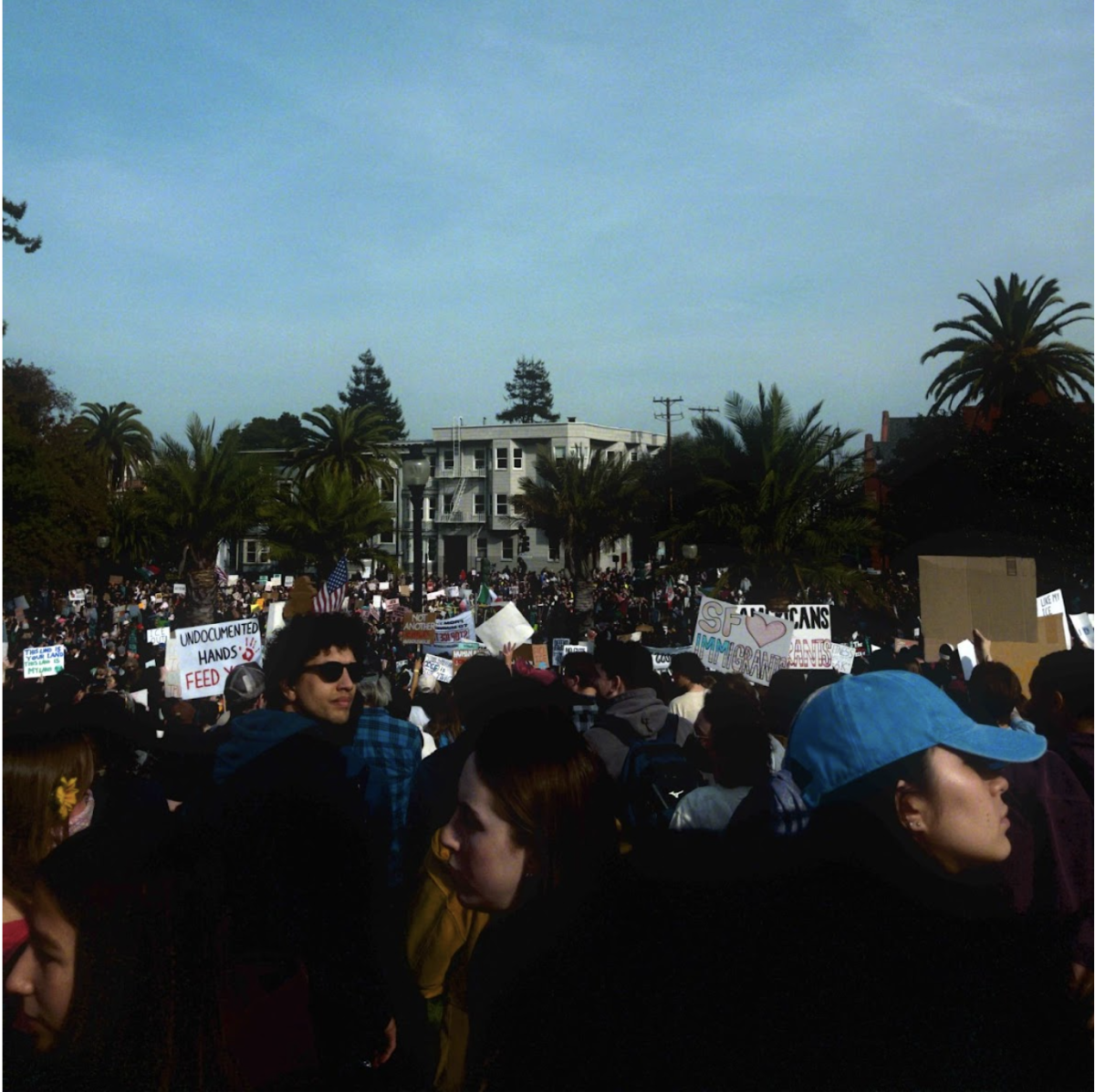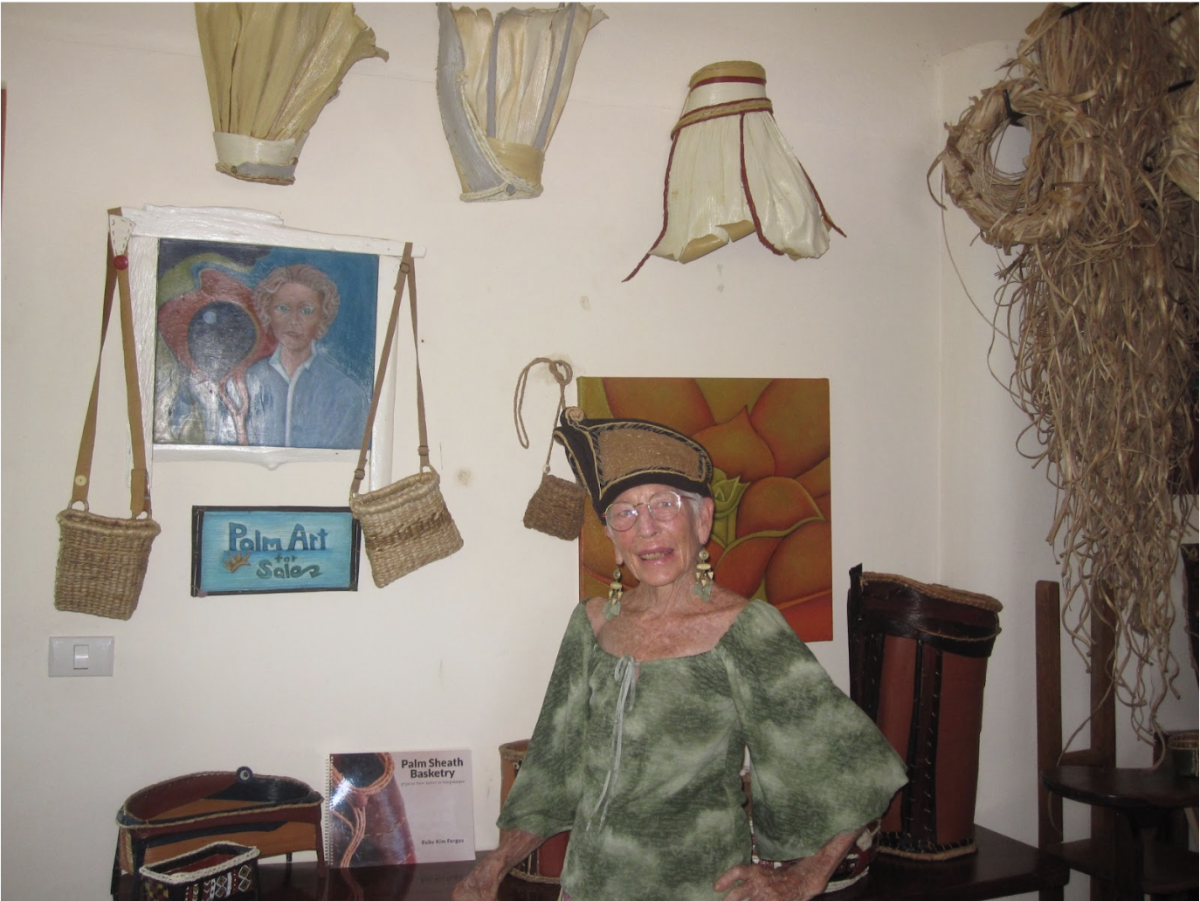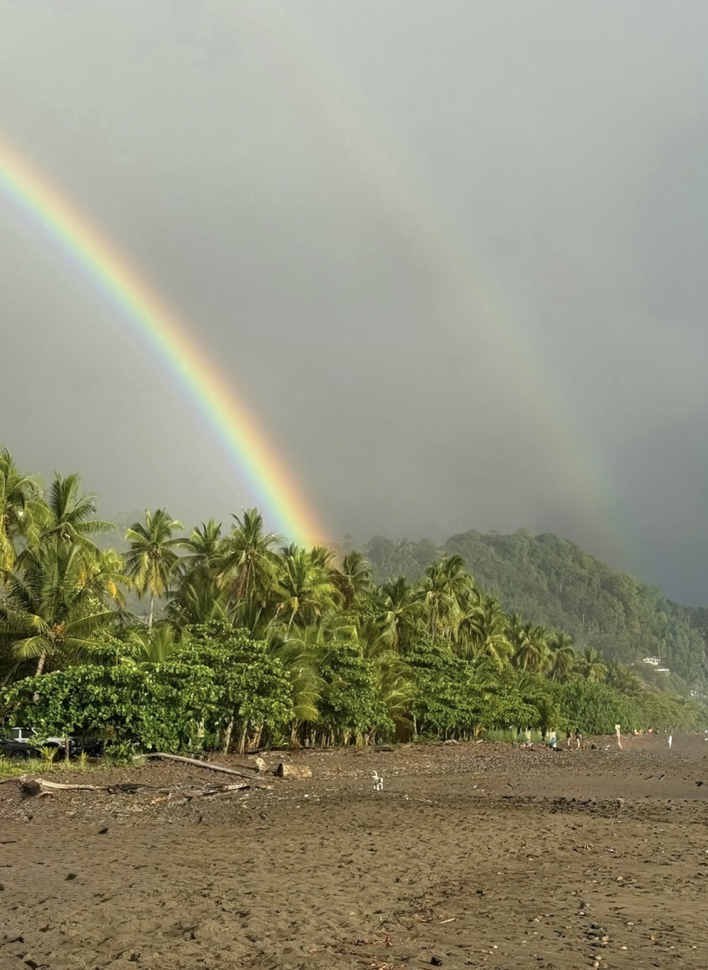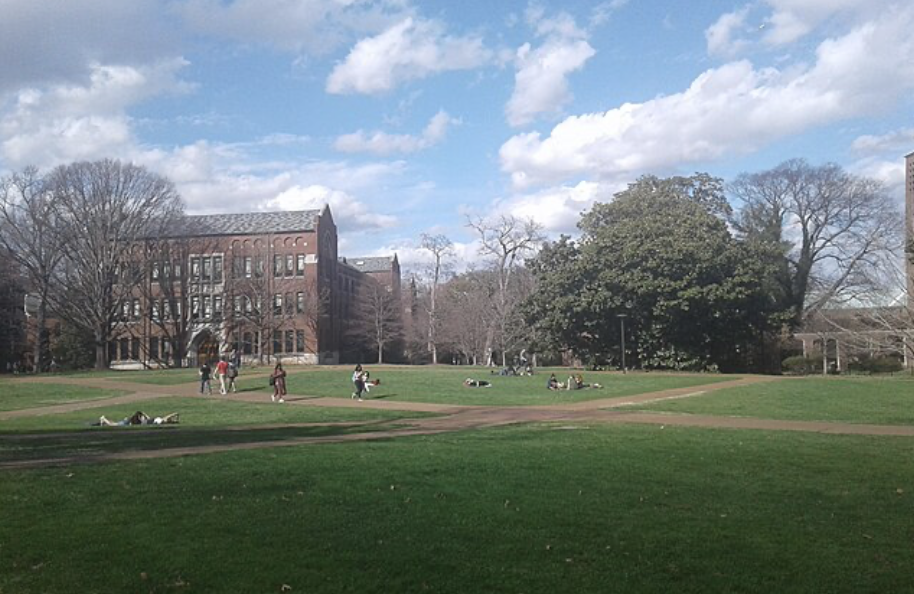
No classroom environment can mimic the experience of being wholly foreign to a new atmosphere. The psychology of travel and exposure to a world beyond not only significantly ameliorates mental well-being, but develops an individual’s ability to observe comfort in their own discomfort, coexisting freely with a foreign environment.
The travel opportunities provided by Convent & Stuart Hall entice students to take a leap into a field of study, simply from the courses they chose. The decisions made during a fleeting sophomore summer lead to your ability to fly across the world with a few chaperones, comically overwhelmed with adolescents, to experience an alien society and dramatically alter your brain chemistry.
“Traveling is impactful because it’s important to see how other people live and put it all in perspective and see other people’s experiences,” sophomore Leela Farrell said. “Without travel you are putting yourself in a bubble and don’t get to hear about other people’s stories,”
The psychology of travel is admirable in itself, as individuals receive significant dopamine release and development through engaging with new environments. According to the American Psychological Association, travel evokes long-term benefits through defamiliarization. Simply interacting for navigation allows the mind to retain sensory memories, reducing prejudice and allowing travelers to begin viewing foreign members of society as social equals.
The impact of travel on cognition breaks the short-term, as individuals can achieve lasting well-being through annual plans. Research suggests that eudaimonic travel, focused on self-improvement, has more enduring influence than hedonistic travel for pleasure. Students that look to travel for broadening not only their academic, but their cultural cognizance are essentially establishing a foundation for their global consciousness.
“In my classes, we talk about Islam and mosques, Andalus and Spain,” ethics teacher Clint Hackenburg said. “And a student might be generically interested in that. But when you actually go into the Grand Mosque and Córdoba, or when you go to the Camino in northern Spain, there’s a difference when you actually participate in the history you read about.”
Despite one’s individual interests, travel is arguably the most powerful recourse for understanding and development in any field. Any student selected for these programs is setting themselves up for success beyond the satisfaction of a letter grade or award.
“It’s a cool opportunity to see another community and culture,” junior Taylor Schofield said. “Personally, I love traveling and I view it as such a unique aspect of the Convent experience. Being able to be immersed in another culture is such a special privilege that I encourage everyone to take part in if they are able.”
No matter the age you begin, the impact of traveling will always prove relevant. Every new form of civilization experienced is a new people and way of life undertaken, and the importance of this chance should never be underestimated.
“Traveling will continue to be one of the most special parts of this school,” adds Farrell. “And it’s important that everyone gets the chance to experience it.”