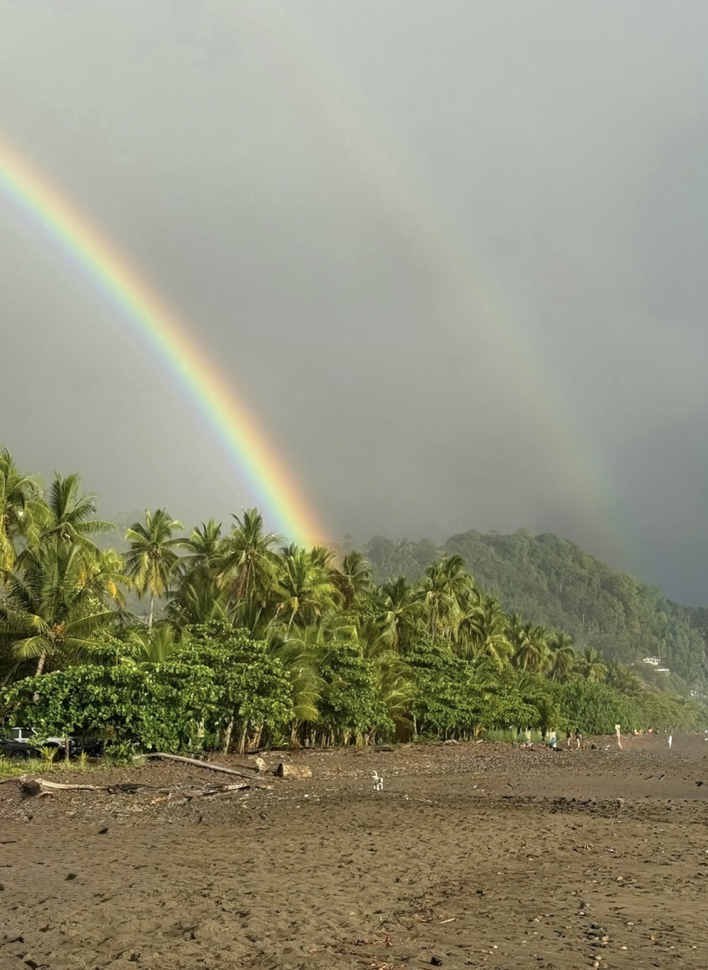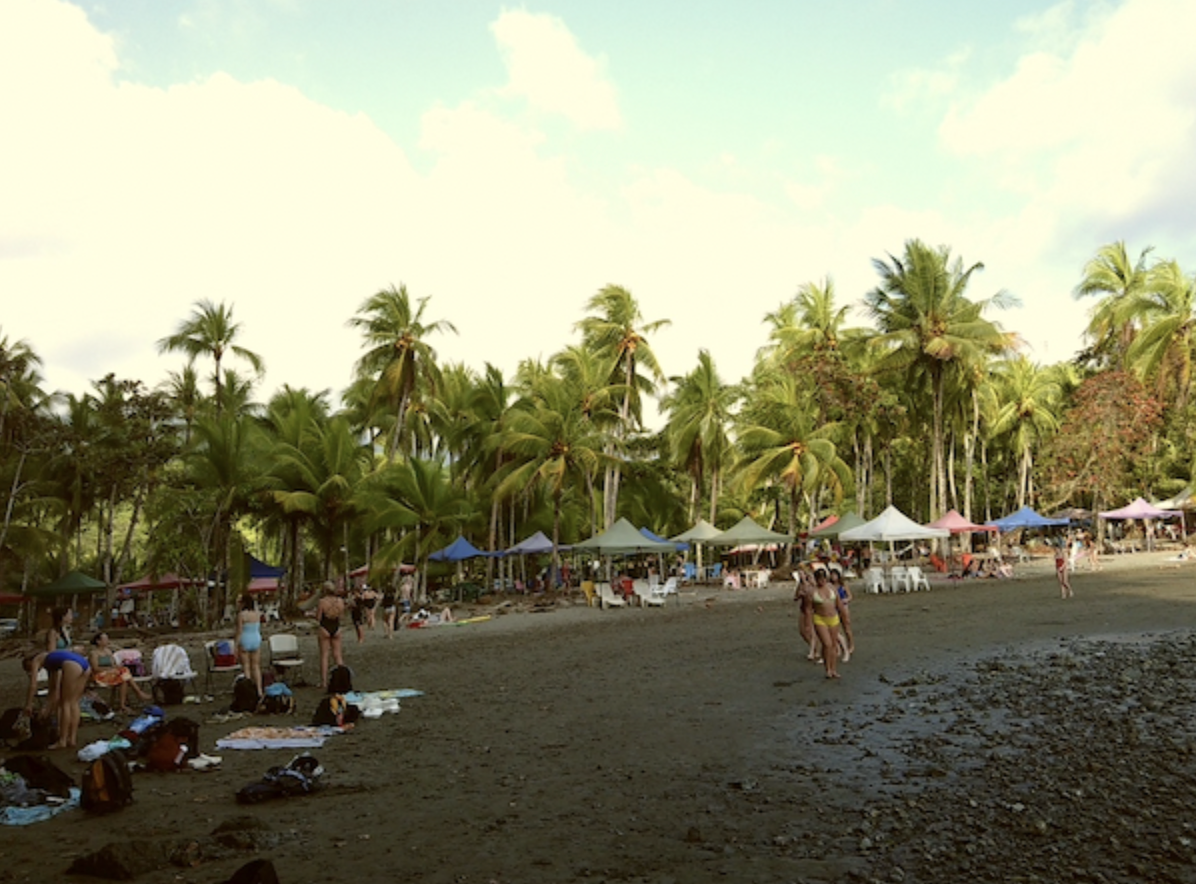
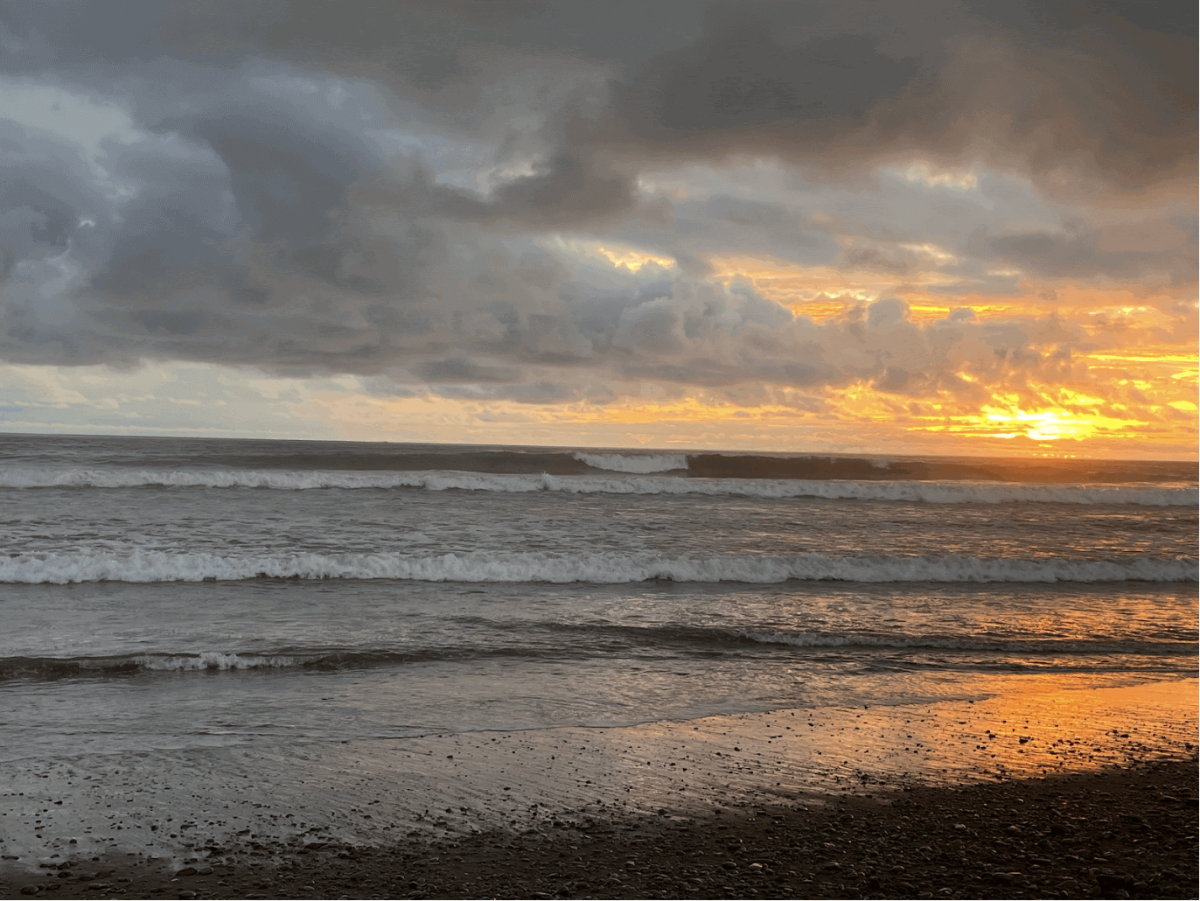
Costa Rica. The trip every sophomore class hears about for a year and a half. Every year, students come back with stories about the rush of the white water rafting, and the beauty of the waterfalls, and photos document the whales, rainbows, and our vibrant community. But the stories and the pictures don’t do it justice.
Every year, the sophomore class takes a one week long trip to Dominical, Costa Rica for a week in January. A time for class bonding, and a space where students can step back from their phones and the fast paced city to really take some time to appreciate other cultures and people. Everybody comes back from Costa Rica a little bit different and changed than before they left. Maybe you discover a love for a cuisine that you have never had the opportunity to try before, or you travel internationally for the first time. Maybe it’s your first time away from your parents for that long, or you made a new friend.
Costa Rica allowed me to slow down, become more observant of details, and learn about other cultures. Because without a phone, and loud, colorful distractions around us all day long, you can really take a step back and see bigger pictures, but take longer to fully appreciate them.
Many of the activities we participated in during our time there gave me a deeper understanding of Costa Rican traditions. These activities included a Costa Rican traditional and cultural dance presentation, where dancers came in traditional Costa Rican dress. They performed their national style of dance called Punto Guanacasteco, which involves heel stomping, yelling, squealing, and storytelling through skirt movements, lyrics to music, and yells of anger, happiness, or excitement.
We also learned about the traditional Costa Rican cuisine through our everyday meals which consisted of rice, beans, tropical fruits, plantains, and proteins such as beef and chicken. During one of our smaller group activities, the day hike, we learned about the Costa Rican environment, ecosystem, and animals. Our guides gave us in-depth histories and details about all the wildlife we spotted near Dominical, which included specific owls, colonies of ants and their behaviors, termites, which we tried to eat, monkeys, and even sloths. They also gave us a deep background of the land, and how the forestation had changed over the past couple of decades.
Costa Rica also gave me a chance to develop and become better at speaking Spanish with confidence. Before the trip, I had trouble speaking with pride, and with a flow. I became embarrassed really easily, and I didn’t find it worth it enough to practice speaking out loud. But in Costa Rica, I really gained a sense of pride, confidence, and faith in my speaking by immersing myself in conversations with the local people. I spoke to vendors when buying food for the first time, and they were all understanding and patient when sometimes my Spanish was slow or inaccurate. I made a lot of friends with the locals, and learned a lot about the rhythm of spoken Spanish and how to add a better accent to my words.
Overall, Costa Rica taught me a deep respect for both Costa Rican and Spanish cultures through engaging activities, and a different lifestyle over the course of a week. I found a new confidence in myself, and I feel like the bond between my classmates and I flourished under a closer community, and shared experiences.