Since Oct. 1, 2025, the federal government has been in a partial shutdown after Congress failed to pass a spending bill. This shutdown affected federal prisons, courthouses, and national parks, since federal workers operating them were furloughed: given a mandatory, temporary period of unpaid leave from work.
The unsuccessful passing of this continuing resolution bill, which would have funded the government until Nov. 21, 2025, led to repercussions across the country. This is now the longest shutdown in United States history. Not only were many government agents furloughed, but many airports had to cancel or delay flights due to TSA agents not being paid. This was one of the more obvious and pervasive outcomes of the shutdown, according to Junior Fiona Brentani.
“My flights to and from Boston were both heavily delayed because of this shutdown, and I missed school as a result,” Brentani said. “I know it’s not the biggest issue happening but that’s why I’d say its affecting everyone,”
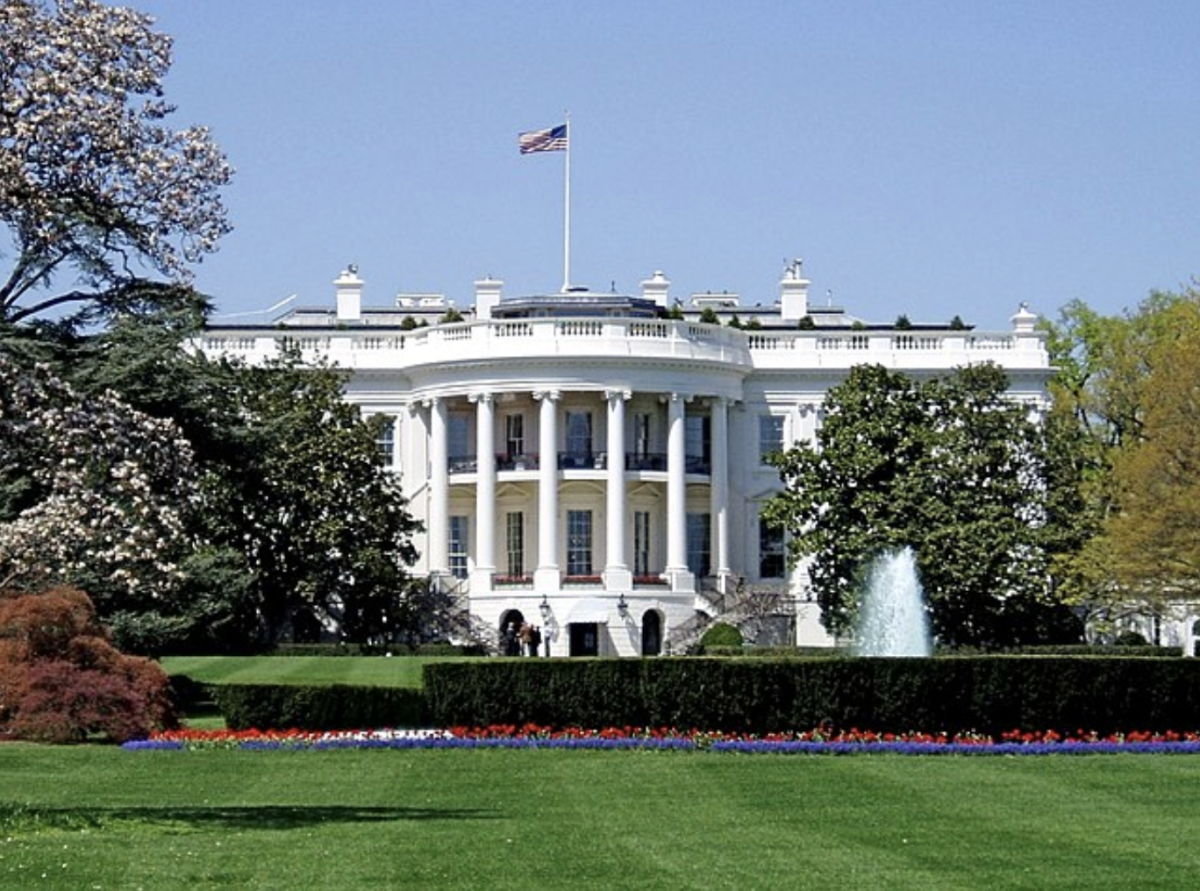
On November 10, 2025 the Senate approved a bill to reopen agencies and sent it to the White House for approval. It was passed with a 60 to 40 vote, with support from most Republicans and several Democrats, according to Congress. This bill, titled the Government Shutdown Prevention Act of 2025, extends funding for most federal agencies and departments until January 30, 2026, except for the US Department of Agriculture and the FDA, for which this bill ensures funding for the next year, and expires on Sept. 30, 2026. Although this bill would temporarily provide an end to this shutdown, it also brings up more issues when it comes to differing political agendas between Republicans and Democrats, according to Global Politics teacher Michael Buckley.
“There are some people who are worried about health care, the Republican majority may not pass it, but it is likely to pass,” Buckley said. “Democrats had to give up on their position, even though they were not the primary party blamed, this new bill is likely to pass, and they were worried about healthcare subsidies, so they technically ‘surrendered’.”
The bill still needs to pass the House of Representatives, and it will be a close vote since in the House of Representatives Republicans only have a 5 person advantage, so only a small Republican majority could determine the outcome. In order for bills to pass, 218 votes are needed out of a total of 435 members, and right now there are 219 republicans and 214 democrats, according to the House Press Gallery. This close call on the bill is just one sign of the growing division between Democrats and Republicans in the White House, according to Senior Elizabeth Fox.
“The White House is definitely very divided right now,” said Fox. “I keep seeing news about the different stances Democrats and Republicans have and how they are fighting for their respective interests.”
If this bill successfully gets the votes necessary from the House of Representatives, it will go into action as soon as possible. Workers who were not paid during the month period will receive reimbursements if they did continue to work during the shutdown. Still, this bill is only valid until January 30, 2026, so if another solution does not arise, the government will be in the same situation in three months.
“I think the entire situation was very disordered and I’d never expect our government to go into shutdown,” Brentani said. “I am just relieved a temporary solution was found eventually.”